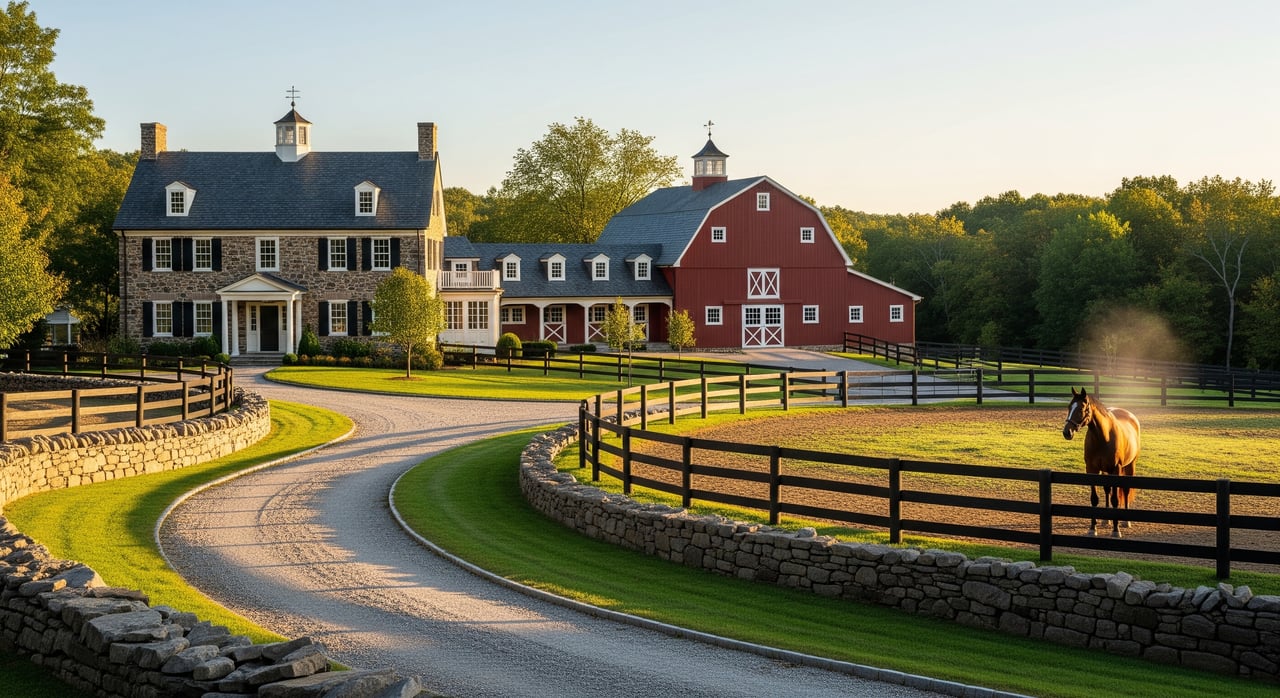
Picture this: quiet mornings, the soft rhythm of hooves, and sunset views across rolling fields. If you’re drawn to horses, open space, and a slower pace without giving up access to suburban hubs, Chester Springs and the surrounding Chester County region could be a great fit. This guide walks you through the lifestyle, the property features that matter, where to ride, and the due diligence steps that protect your investment. You’ll leave with clear next steps tailored to equestrian and country living in this corner of Pennsylvania. Let’s dive in.
Why Chester Springs works for horse life
Chester Springs sits in northern and central Chester County, where preserved open space and farmland define the landscape. You’re near regional hubs like Exton, Downingtown, West Chester, Malvern, and Phoenixville, which means groceries, healthcare, and dining are an easy drive. Many buyers also consider nearby areas in Montgomery and Bucks Counties for similar country settings.
Commuting is workable if you plan ahead. Major routes such as US 30, PA 100, and the PA Turnpike connect you to job centers, and SEPTA Regional Rail offers service along the Paoli and Thorndale corridor. Always test commute times from a specific property, since rural roads and seasonal traffic can add variability.
Chester County is one of the state’s more affluent areas, which influences property values, taxes, and services. To understand the county’s overall profile, review U.S. Census Bureau QuickFacts for Chester County.
The equestrian culture and what to look for
Chester County and the broader Brandywine Valley have a long equestrian tradition. You’ll find private horse farms, boarding barns, riding schools, and seasonal hunter and jumper show circuits. If you plan to keep horses at home, focus your search on properties designed for equine use.
On-property features checklist
- Barn structure and stall count, tack and feed rooms, hay and equipment storage.
- Safe, horse-friendly fencing, such as post-and-board, plus well-drained paddocks.
- Turnout acreage per horse, water access, and freeze-proof hydrants.
- Dedicated manure storage and removal plan, or a composting setup.
- Trailer access, parking, and room for deliveries.
- Arena or riding space, footing quality, and drainage.
Services, trails, and parks
You’ll find a strong network of local large-animal veterinarians, farriers, hay suppliers, trainers, and transporters. For off-property riding, several regional parks allow equestrian use on designated trails. Marsh Creek State Park in Chester County is a popular option. Always verify current park rules for horseback riding before you go.
Community and learning
Hunt clubs, pony clubs, and riding schools operate throughout the region, offering lessons, clinics, and show opportunities. These communities are helpful for newcomers who want instruction, social connections, and vetted service referrals.
Country living, day to day
The appeal is real: tree-lined lanes, stone walls, starry skies, and privacy. Acreage also comes with responsibility. Expect regular fence checks, pasture rotation, mowing, and snow planning for long driveways.
Seasonal rhythms shape daily life. Spring can bring mud, late summer is often hay season, and winter can slow rural roads. Confirm who plows shared or private lanes and evaluate driveway grade and drainage.
Everyday convenience stays within reach. Exton, Downingtown, West Chester, and Malvern offer grocery options, healthcare, fitness, and dining. Family activities range from pick-your-own farms and markets to cultural destinations like Longwood Gardens.
For schools, assignments vary by township and district lines. Check boundaries with the local district and review public performance data on official state resources. Use neutral, objective comparisons and verify details for any specific address.
Rules, zoning, and land stewardship
Before you buy, confirm that horses and related uses are permitted for the parcel. Township zoning controls setbacks for barns, maximum building coverage, and whether boarding or lessons are treated as agricultural or commercial. When in doubt, call the zoning officer and request written confirmation.
Manure and water management are central to responsible horse ownership. Review Penn State Extension horse resources for guidance on manure storage, pasture health, and drainage. Conservation easements and riparian buffers can limit how land is used, especially near streams.
For preserved land and county planning support, visit the Chester County Planning Commission to learn how easements and open-space programs may affect use and resale.
Practical due diligence for buyers
Create a step-by-step plan so you can move from daydreaming to a confident purchase.
- Zoning and use: Ask the township whether horses are permitted and whether boarding or lessons require conditional use. Request a zoning confirmation letter.
- Water and septic: Order well flow and water-quality testing, and a septic inspection. Review past maintenance records.
- Broadband and cell: Verify providers and speeds at the exact address if you work from home.
- Access and maintenance: Clarify who maintains the road and driveway, and how winter plowing is handled.
- Taxes and assessments: Larger barns, arenas, and outbuildings can affect assessments. Confirm with the local tax office.
- Operating costs: Budget for hay and feed, routine vet and farrier care, fence repairs, bedding, and manure removal or composting.
- Conservation easements: Read deed restrictions. Easements can limit subdivision or new structures and may offer tax benefits.
- Financing and insurance: Some lenders treat equine properties differently if there is commercial activity. Ask your lender about options and confirm your insurance covers equine liability if you host boarders or lessons.
Market snapshot and value drivers
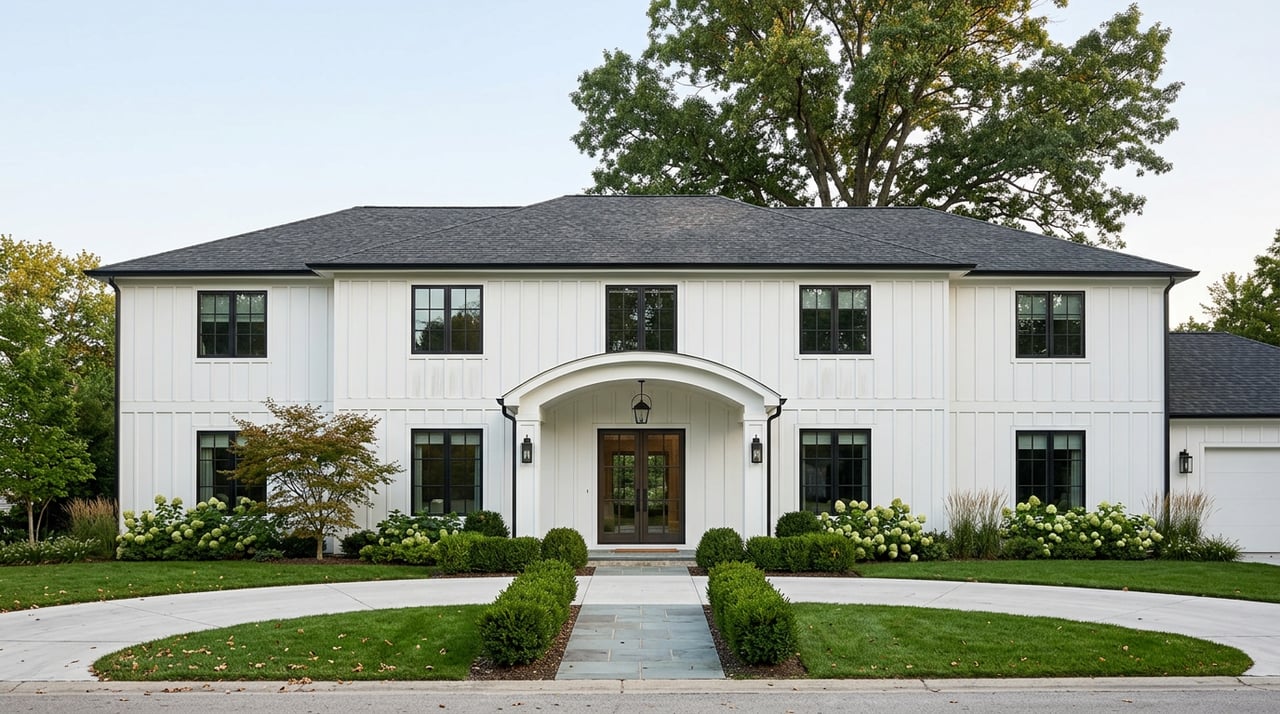
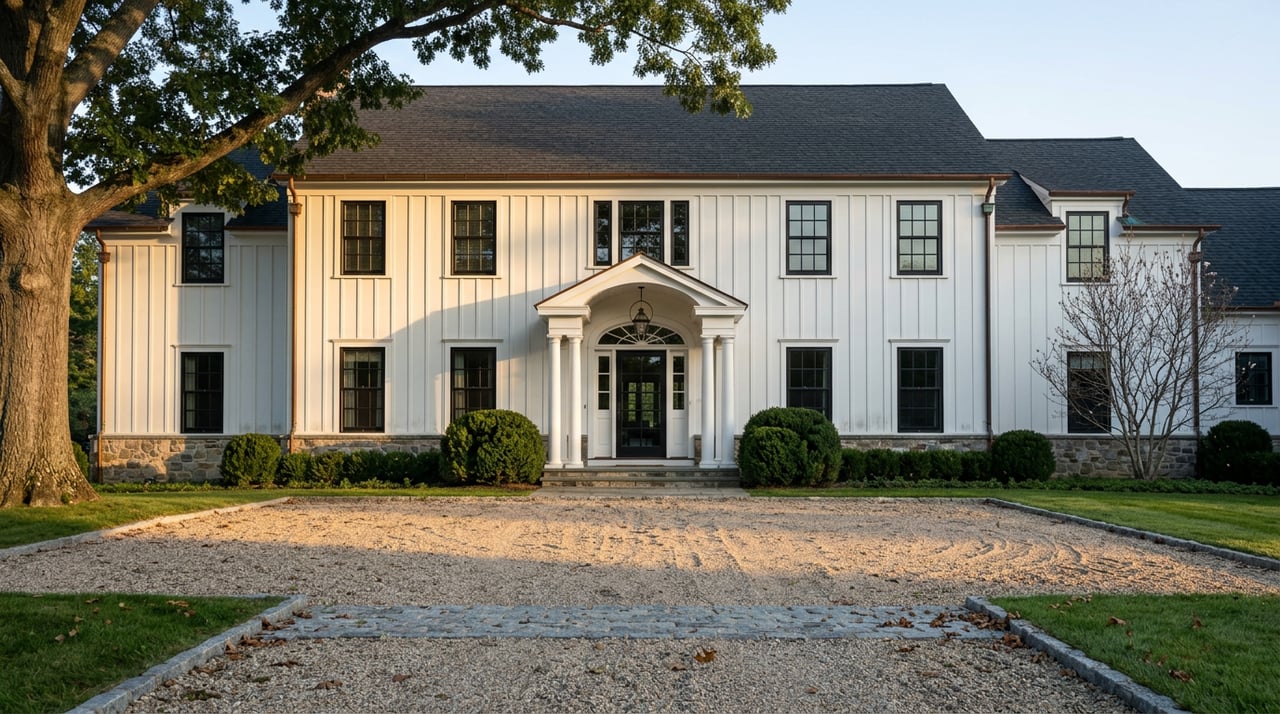
Inventory for turnkey horse properties is limited, which can create competition. You’ll see hobby farms on 1 to 10 acres, larger horse farms with arenas and multiple outbuildings, and estate homes with equestrian amenities. Architecture ranges from historic farmhouses to modern builds.
Price is driven by acreage, the quality of barn and arena infrastructure, drainage and pasture health, and proximity to trainers, trails, and commuting routes. School district boundaries can also influence values. For long-term resale, flexible layouts and well-maintained fencing and fields tend to appeal to the broadest buyer pool.
A 60-day planning checklist
Use this simple timeline to organize your search.
- Weeks 1 to 2: Define must-haves, set budget, speak with a lender, and call the township about equine use. Compile local service contacts and review Penn State Extension materials on barn and pasture care.
- Weeks 3 to 4: Tour properties. Evaluate barns, paddocks, access, and water. Drive the commute at rush hour and visit at different times of day.
- Weeks 5 to 6: Order inspections, well and septic tests, and review any deed restrictions or easements. Confirm broadband options and road maintenance.
- Weeks 7 to 8: Refine offer strategy based on findings, plan for operating costs, and line up insurance coverage that matches how you will use the property.
Is Chester Springs right for you?
If you want room to breathe, direct access to horse care services, and day-trip access to suburban amenities, Chester Springs and the surrounding county seats offer a compelling balance. The trade-off is more hands-on property management and careful due diligence, especially for barns, wells, septic, and zoning. With a clear plan, you can enjoy the privacy and purpose-built spaces that make country living so rewarding.
When you’re ready to explore equestrian and country homes, connect with a local team that understands the terrain, the ordinances, and the details that matter in the barn and beyond. Start the conversation with Kathy Gagnon and get tailored guidance for your goals.
FAQs
Are horses allowed on most Chester Springs properties?
- Zoning varies by township and parcel, so confirm with the local zoning office and request a written zoning confirmation before you buy.
How do I confirm if I can run a small boarding or lesson operation in Chester County?
- Ask the township whether boarding or lessons are considered commercial uses, whether conditional use is required, and what setbacks, parking, and waste rules apply.
Where can I ride near Chester Springs if I do not have on-site trails?
- Several parks allow equestrian use, including Marsh Creek State Park; always review current rules and trail designations.
What inspections are critical for rural homes with barns in Chester County?
- Order well flow and water-quality tests, a septic inspection, and a site review for drainage, access, and fence condition; verify road maintenance responsibilities.
How do conservation easements affect a farm purchase in Chester Springs?
- Easements can limit subdivision and new structures, which impacts future use and value; consult deed documents and the Chester County Planning Commission for guidance.
What commute options connect Chester Springs to Philadelphia?
- Major corridors include US 30, PA 100, and the PA Turnpike, and SEPTA Regional Rail serves the Paoli and Thorndale corridor; test actual drive and train times from the property you are considering.