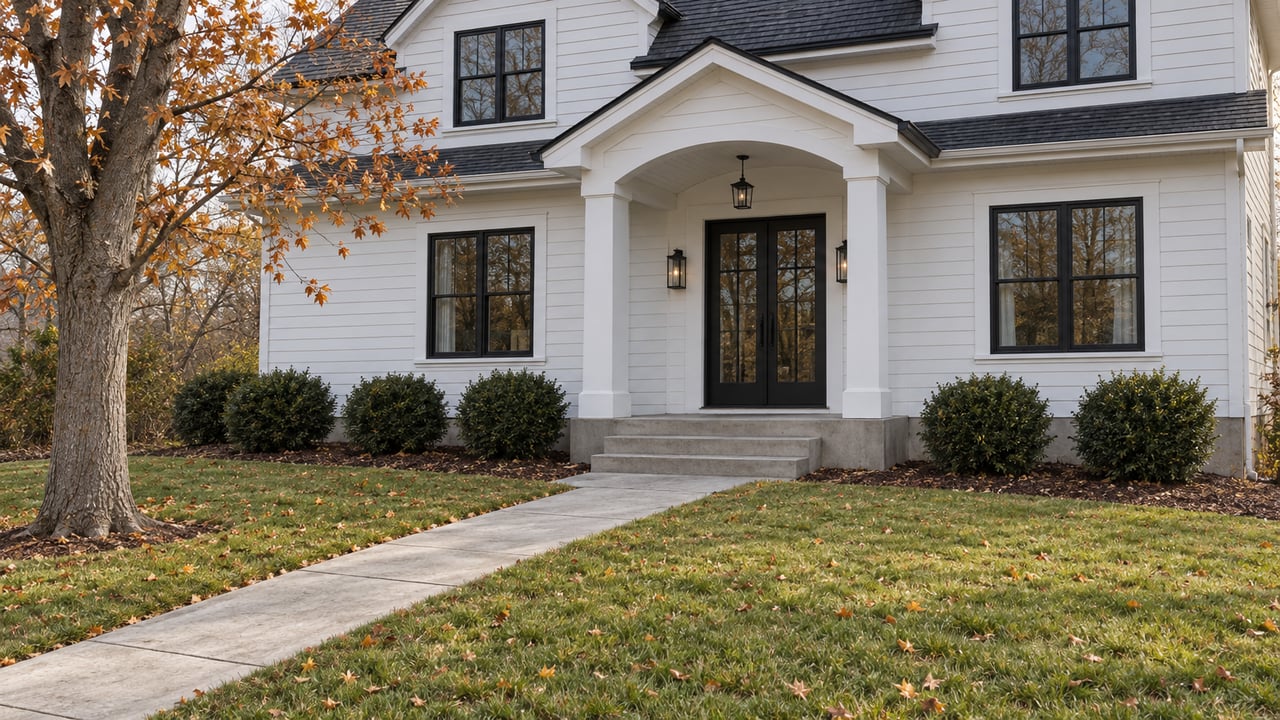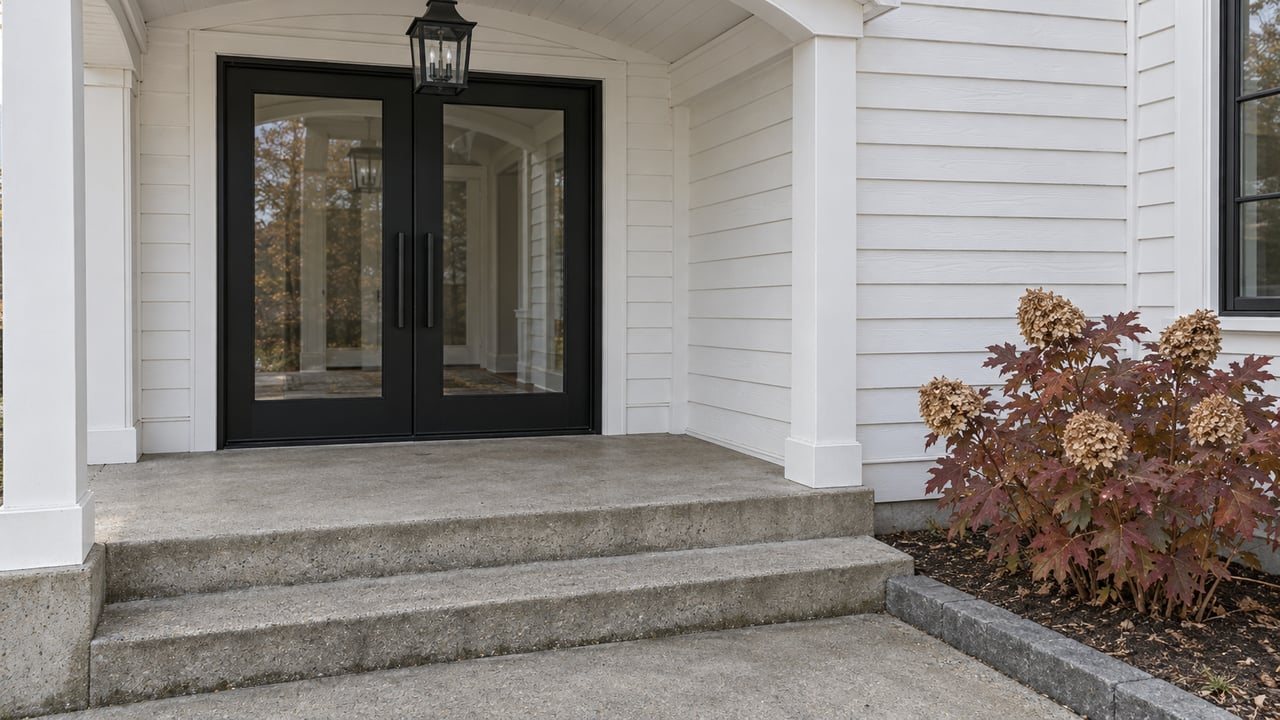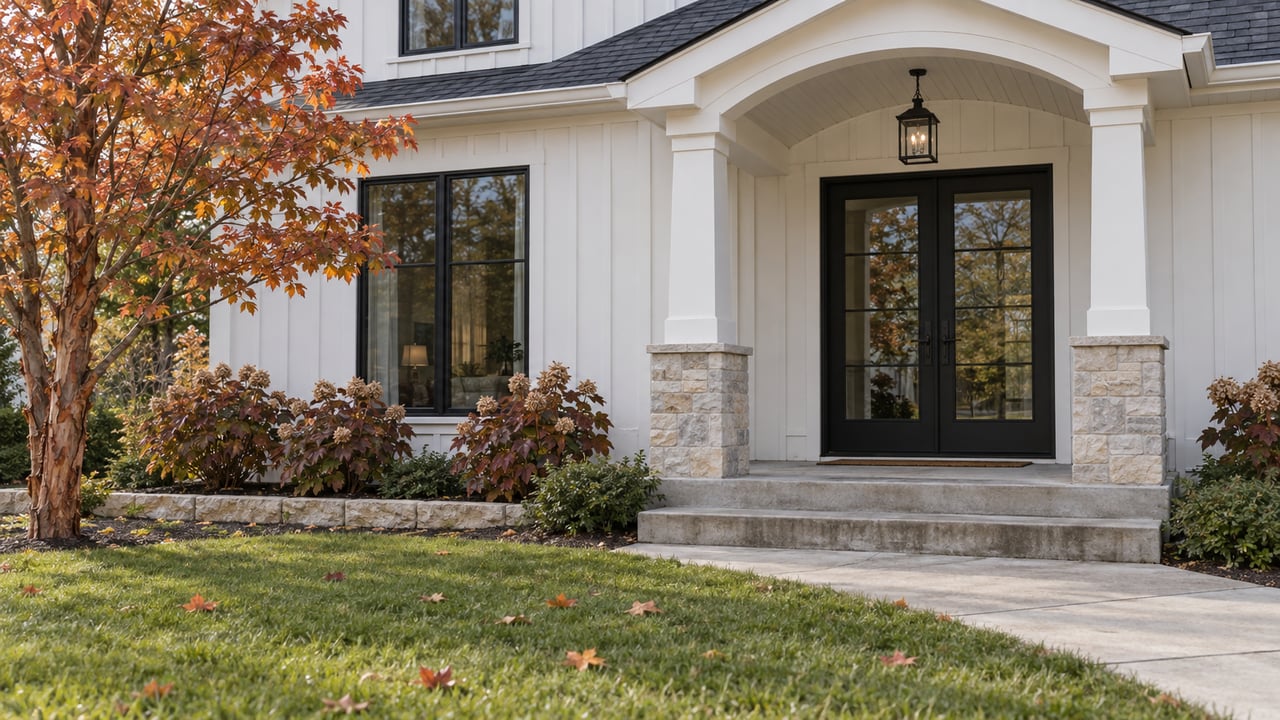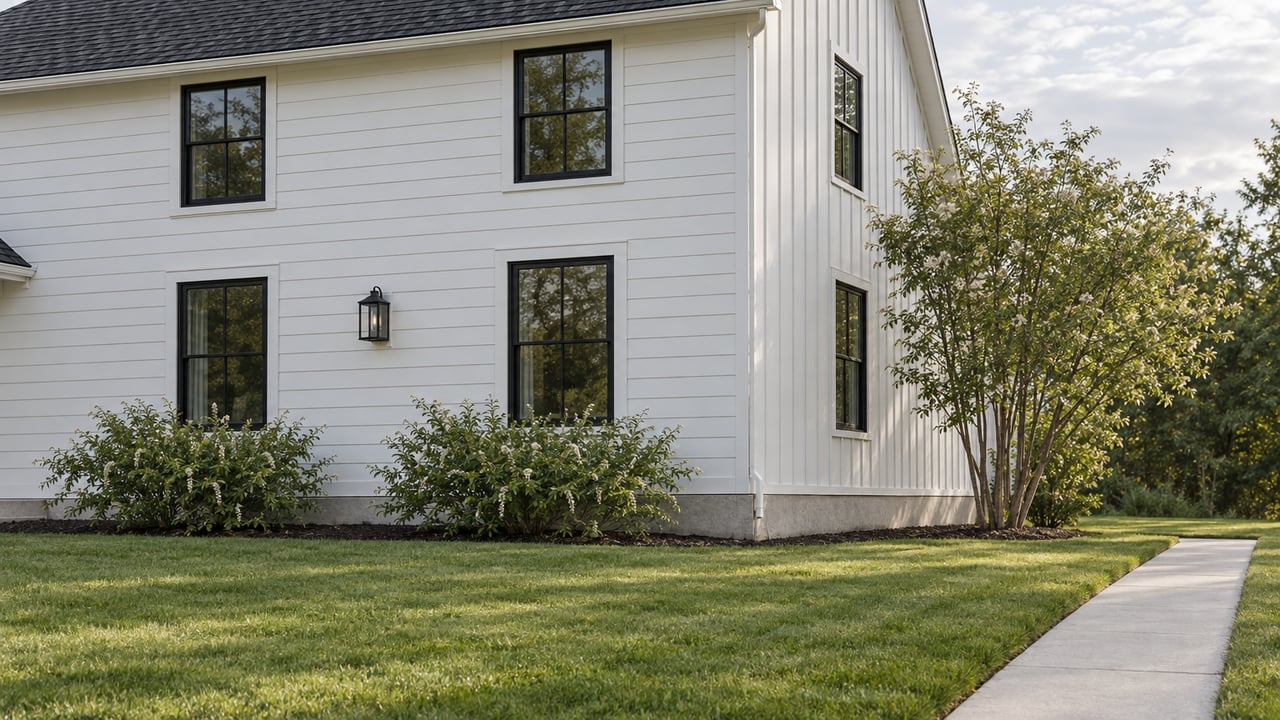
Debating between the charm of an older Malvern colonial and the ease of a brand-new townhome? You are not alone. Many buyers in and around Malvern want the right mix of location, condition, and long-term value without surprises. In this guide, you will compare real costs, maintenance needs, warranties, energy efficiency, inspections, and timelines so you can choose with confidence. Let’s dive in.
Malvern market at a glance
Malvern is a small borough in Chester County with a broad mix of housing across the 19355 ZIP, including parts of East Whiteland and Charlestown Townships. You will see classic borough streets near King Street, mid-century subdivisions, and newer enclaves with townhomes and single-family homes. For quick local context, read the overview of the Malvern borough area.
Recent sources show a wide range for typical home values in Malvern. As of January 2026, one tracker reported a median sale price near the high five hundreds, while another index showed a typical value in the mid seven hundreds. Different methods and sample sizes explain the spread. Treat this as directional, and plan for newer, turnkey homes to list at a premium in low-inventory spots. Always confirm current MLS data before you write an offer.
What older homes offer
Architecture and lots
Older homes around Malvern include late 19th-century houses near downtown, Colonial and mid-century styles from the 1950s to 1970s, and larger estate-style properties in the surrounding townships. Many established neighborhoods feature mature trees and varied lot sizes that you will not always find in newer subdivisions. For a sense of the area’s historic character, the borough’s archival materials note Malvern’s 19th-century roots and preserved structures, which adds context for home styles you will tour. Explore the Malvern Historical Commission collection.
Inside, floor plans can be more segmented. You may see smaller closets, formal living rooms, and original hardwoods. Some homes have been renovated with open kitchens or finished basements. Expect variety from block to block.
Systems and upgrades to budget
With older stock, plan for upcoming replacements. Big-ticket items can include roofs, windows, electrical updates, sewer laterals, and full HVAC replacements. Pennsylvania buyers should also consider two environmental checks common to older homes:
- Lead-based paint disclosures for homes built before 1978. Learn what federal rules require and what testing rights you have under the Residential Lead-Based Paint Hazard Reduction Act.
- Radon testing, since the state includes areas with elevated levels. The EPA recommends testing; review the agency’s radon guidance and studies in this EPA radon document.
If you plan a renovation that disturbs painted surfaces in a pre-1978 home, hire a contractor trained in lead-safe work practices.
What new builds offer
Layouts and features
New construction in the Malvern area often includes open main levels, larger primary suites, two-car garages, and efficient use of space. You will see infill townhomes, semi-detached carriage homes, and single-family sites in small enclaves. Expect flexible bonus rooms, large closets, and finished or finish-ready basements.
Builders typically include modern windows, tighter building envelopes, and efficient HVAC. That translates into fewer immediate projects and a smoother first year of ownership compared to many older resales.
Energy and warranties
New homes are built to current codes, so you often start with higher insulation levels, sealed ductwork, and efficient water heating. This usually lowers early utility bills. Some buyers consider adding or upgrading to heat pumps or smart thermostats. Local utilities that serve Chester County have offered periodic rebates for heat pumps, water heaters, and smart thermostats. You can scan examples of current promotions on this regional rebates reference page, then verify details directly with your utility before you rely on any incentive.
If you plan energy upgrades, watch federal timelines. IRS guidance on residential clean-energy credits notes key deadlines through December 31, 2025 for many programs. Review the current rules in the IRS Form 5695 instructions and confirm status with your tax professional.
Most reputable builders offer a tiered “1-2-10” warranty that commonly covers one year for workmanship, two years for major systems, and ten years for structural items. Always read the document closely, since coverage varies. For a plain-English overview, see this summary of structural warranty programs.
Cost of ownership
Maintenance budgets
A practical budgeting rule is to reserve about 1 percent of the home’s value per year for maintenance. Older or more complex homes can sit closer to 1 to 3 percent. This is a planning guide, not a guarantee, and it rises as systems age. For a helpful budgeting mindset, review this home maintenance guide.
In the first few years, a new home’s costs are often lower due to newer systems and builder coverage. An older resale may have a lower purchase price but can need immediate repairs or efficiency upgrades. Compare near-term project lists side by side to get a true total cost.
Financing differences
If you purchase a finished or nearly finished new home from a builder, you can often use a standard mortgage. If you are building semi-custom or custom, you may need a construction-to-permanent loan, which changes how funds are drawn and how interest works during the build. A concise overview of construction mortgages can help you prepare for lender conversations. Start with this construction mortgage explainer and then ask lenders who regularly finance new builds in Chester County.
Inspections that matter
For older resale
Even if a home shows well, specialized inspections create clarity and leverage. In addition to a general home inspection, consider:
- Radon testing and a review of any prior results. See the EPA radon document for background.
- Lead-based paint testing if the home predates 1978 and you plan to renovate. Review your rights under federal lead disclosure rules.
- A sewer lateral camera scope, especially for older lines.
- A termite or wood-destroying organism inspection.
- Specialty checks for boilers or steam systems if present.
For new construction
Quality new builds still benefit from third-party eyes. Stage inspections help you catch issues while the builder is responsible for fixes. Consider:
- Foundation and framing inspections before drywall.
- A detailed pre-drywall review of rough mechanicals.
- A thorough final inspection and blue-tape walkthrough before closing.
Many local inspectors outline the process and value of new-build stage inspections. See an example walkthrough of new construction inspection stages, then book an experienced inspector early.
Touring checklists
Older homes checklist
- Ask for the seller’s property disclosure. Look for the build year and any known issues. Review your lead disclosure rights under federal rules.
- Check roof age, window condition, and the water heater’s manufacture date.
- Open the electrical panel and note the amperage and wiring type. Ask about any aluminum or knob-and-tube.
- Identify HVAC type, fuel, and service history.
- Request a sewer scope if the property has older lateral pipes.
- Plan a radon test or ask for prior reports. The EPA radon document explains why testing is common in Pennsylvania.
New construction checklist
- Request the builder spec sheet, including insulation R-values, window ratings, HVAC efficiency, and appliance models.
- Confirm warranty coverage and claims steps. See a summary of 1-2-10 structural programs.
- Tour a completed home from the same builder if possible, not just a model.
- Clarify what is included versus upgraded, such as landscaping, driveway surfaces, porch details, and window treatments.
- Confirm timeline, closing triggers, and any per-diem terms if delays occur.
How to choose in Malvern
- Location and lot: Established neighborhoods around the borough often offer mature trees and walkable access to King Street. Newer enclaves may trade yard size for more finished square footage or modern floor plans. The Malvern borough profile provides helpful neighborhood context.
- Operating costs: New homes usually start with lower utility bills and fewer immediate repairs. Older homes can deliver character and location, but budget for upgrades like HVAC, windows, and insulation. If you plan energy improvements, confirm current IRS energy credit rules and check any utility rebates, starting with a regional rebate overview.
- Timeline: Resale purchases usually close faster on a standard contract. New builds can carry construction timing risk, which matters if you have a fixed move date.
- Schools and community: Many buyers prioritize specific attendance zones when they search. Verify school assignments directly with the district before you write an offer, since boundaries can change.
- Resale value: Both older and new homes can perform well in desirable Malvern-area neighborhoods. Lot quality, location, and condition typically drive long-term demand.
If you want help narrowing choices, start with three steps: define your top two neighborhoods, outline your 12 to 24 month project list for each home type, and compare total costs. A local agent who works Malvern day in and day out can help you build a clear, side-by-side plan.
Ready to talk through your move and map a timeline that fits your goals? Connect with Kathy Gagnon for local guidance, on-the-ground comps, and a plan that keeps surprises off your plate.
FAQs
What are the real price differences in Malvern today?
- Medians vary by source and method, with recent snapshots ranging from the high five hundreds to the mid seven hundreds. Use current MLS data to compare active and pending homes in your target micro-neighborhoods.
Are new homes always cheaper to own than older homes?
- Not always, but new builds often have lower early maintenance and utility costs due to modern systems and code requirements. Your project list and energy profile will determine the true total cost.
What special inspections should I order for an older Malvern home?
- Add radon testing and, if pre-1978, lead-based paint considerations to your standard inspection. Consider a sewer lateral camera and a termite inspection as well.
How do builder warranties work on new construction?
- Many builders offer tiered coverage summarized as 1 year workmanship, 2 years major systems, and 10 years structural. Read the policy and ask how to file claims before you close.
What financing is different when I build a home?
- Semi-custom or custom builds often use construction-to-permanent loans with draws and interest-only payments during construction. Ask lenders who regularly finance new builds in Chester County.
Can I rely on energy rebates or federal credits for upgrades?
- Maybe, but programs change. Confirm current utility rebates and review the latest IRS Form 5695 instructions before you count on credits in your budget.